What to Know About Replacing Pipes
What to Know About Replacing Pipes
Expert Plumbing Service has spent over 30 years helping homeowners in DuPage County, Will County, Kendall County, and Kane County deal with aging plumbing systems. As a full-service, family-owned company, we’ve seen how small pipe issues can quietly develop into major problems. Understanding when pipe replacement in Illinois makes sense can help you avoid costly damage and keep your plumbing system running reliably.
Pipe Replacement & Why It Matters
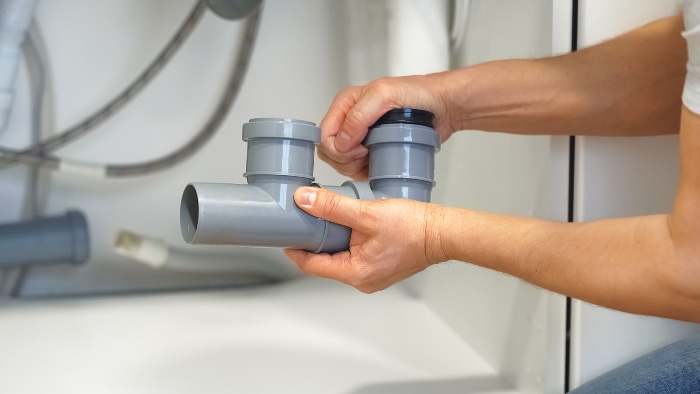
Pipes don’t last forever, and older systems can become vulnerable to corrosion, leaks, and reduced water quality. Pipe replacement is often necessary when repairs no longer solve recurring issues. In some cases, sewer pipe replacement is also required when underground lines crack, collapse, or become blocked beyond repair.
Signs Your Pipes May Need Replacement
Many plumbing systems give off warning signs before failure, and recognizing these early indicators can help you act before a major issue develops. These are common signs that pipes need replacement:
- Discolored or rusty water coming from faucets
- Frequent leaks or recurring pipe repairs
- Low water pressure throughout the home
- Unusual noises, such as banging or rattling pipes
- Visible corrosion or flaking on exposed pipes
Common Types of Plumbing Pipes
Knowing what your system is made of can help determine whether replacement is necessary. Each material behaves differently under stress, which is why our professional plumbing contractors evaluate the entire system before recommending pipe replacement. Common types of plumbing pipes include:
- Galvanized steel, which is prone to corrosion over time
- Copper piping, known for durability but still subject to wear
- PVC and PEX, commonly used in modern plumbing systems
- Cast iron, often found in older sewer lines
When Should Pipes Be Replaced?
If repairs are becoming more frequent or if water quality is declining, it may be time to consider a full upgrade. Sewer pipe replacement is often necessary when blockages, root intrusion, or structural damage affect underground lines. Waiting too long can lead to more extensive repairs and higher costs.
Pipe Replacement vs. Pipe Repair
Not every issue requires a full replacement. Minor leaks or isolated damage can sometimes be addressed with targeted repairs. However, when problems are widespread or recurring, repair work becomes less practical. Replacing pipes offers a long-term solution, reducing the need for repeated service calls and improving overall system performance.
What to Expect During Pipe Replacement
The process of replacing pipes can vary depending on the size and layout of your home. Our team minimizes disruption while ensuring the job is completed thoroughly and safely:
- Initial inspection to assess the condition of the system
- Identification of materials and areas requiring replacement
- Careful removal of damaged or outdated piping
- Installation of updated, code-compliant materials
The Benefits of Replacing Old Pipes
New piping improves water flow, reduces the risk of leaks, and enhances overall reliability. It can also increase property value and ensure your system meets current safety standards. With new, modern materials, homeowners often notice better water quality and fewer maintenance concerns.
Schedule Your Pipe Replacement Consultation
If you’re noticing signs pipes need replacement or dealing with ongoing plumbing issues, Expert Plumbing Service in Illinois is ready to help. Reach out to discuss your options and get a clear plan for updating your plumbing system with our experienced professionals.
Request Your Expert Plumbing Service Today
